I’ve had dogs on the mind lately (what else is new?), but the world of purebreds has been there even moreso than usual. The AKC/Eukanuba show I attended in December will air on ABC on the 4th, as you probably gleaned by now since I haven’t stopped yammering about it since then. In addition, I’m also going to Westminster on February 13th and 14th, for no reason other than I just wanted to see it, to marvel at the spectacle.
It’s such a strange confluence of worlds, society-minded dog fanciers and competitive point-watchers and intense breed overseers who make it their life’s work to delving into the pedigree and genetics of a dog in order to improve the health of the breed. And then there’s fascinated outsiders like me, doggie voyeurs who just take in the show. It’s so much fun to watch.
Domesticated creatures are a wonder unto themselves, aren’t they? We busybody primates tinker around with natural selection and breeding in order to create a creature more to our liking: a canine with a commanding bark, or a dog with a natural retrieving instinct. And in the process, we muddled up the gene pool quite a bit. Interestingly enough, as our understanding of genetics evolves at an exponential pace, the very oddities we’ve introduced into the canine genome are providing some unexpected insights into our own genetic makeup. Ah, science. I STILL don’t get how dogs accumulate points in order to be show champions, but start whispering in my ear about the genetic markers for albinism and I’ll perk right up. Now you’re sweet talking.
This month’s well-timed National Geographic (my favorite magazine ever since I was a kid dragging my Jane Goodall issues around) is headlined by this very topic:
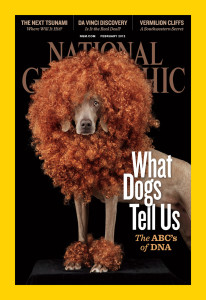
For reasons both practical and whimsical, man’s best friend has been artificially evolved into the most diverse animal on the planet—a staggering achievement, given that most of the 350 to 400 dog breeds in existence have been around for only a couple hundred years. The breeders fast-forwarded the normal pace of evolution by combining traits from disparate dogs and accentuating them by breeding those offspring with the largest hints of the desired attributes.
To create a dog well suited for cornering badgers, for instance, it is thought that German hunters in the 18th and 19th centuries brought together some combination of hounds—the basset, a native of France, being the likely suspect—and terriers, producing a new variation on the theme of dog with stubby legs and a rounded body that enabled it to chase its prey into the mouth of a burrow: hence the dachshund, or “badger dog” in German. (A rival, flimsier history of the breed has it dating back, in some form, to ancient Egypt.) Pliable skin served as a defense mechanism, allowing the dog to endure sharp-toothed bites without significant damage. A long and sturdy tail helped hunters to retrieve it from an animal’s lair, badger in its mouth.
The remainder of the article may be found here at the National Geographic website; or, check out the current issue of National Geographic Magazine on newsstands now.
In the meantime, please enjoy some of the gorgeous images from the February 2012 issue of National Geographic magazine, used with permission. For the full set, check out the National Geographic Gallery of dogs from the 2011 Westminster Dog Show:
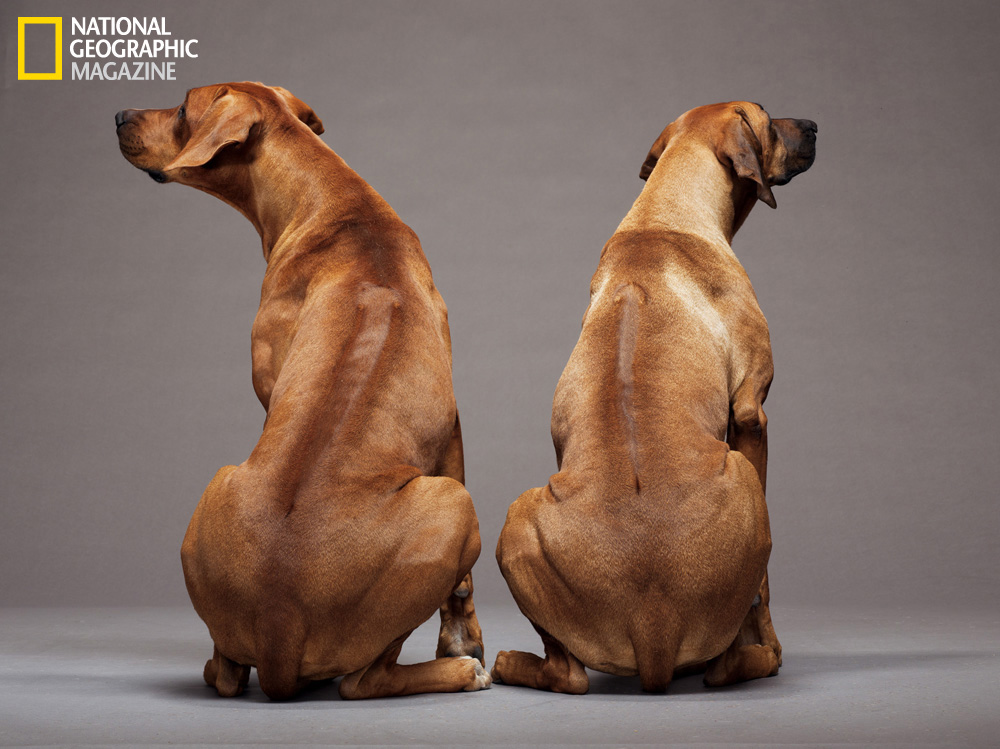

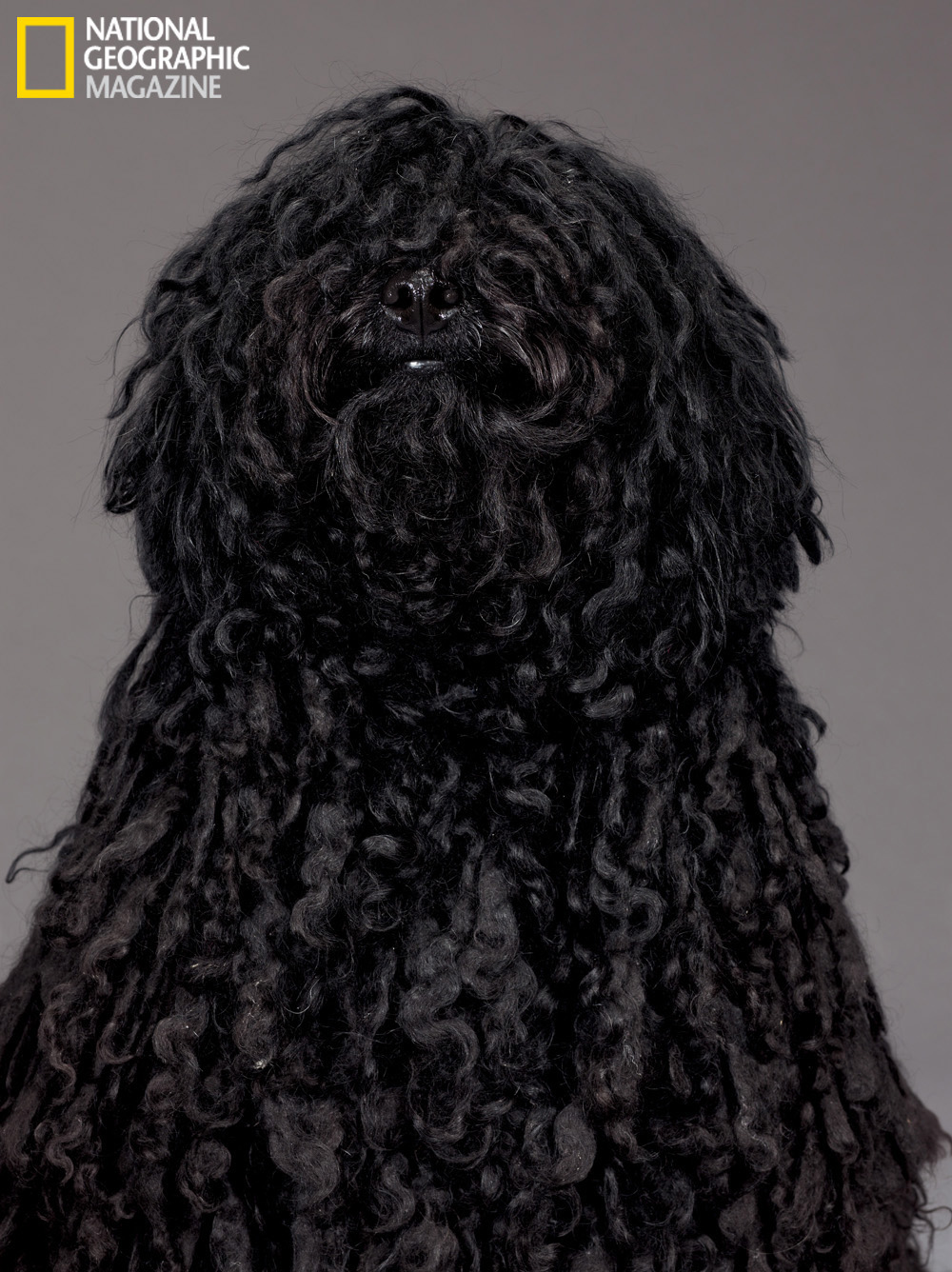
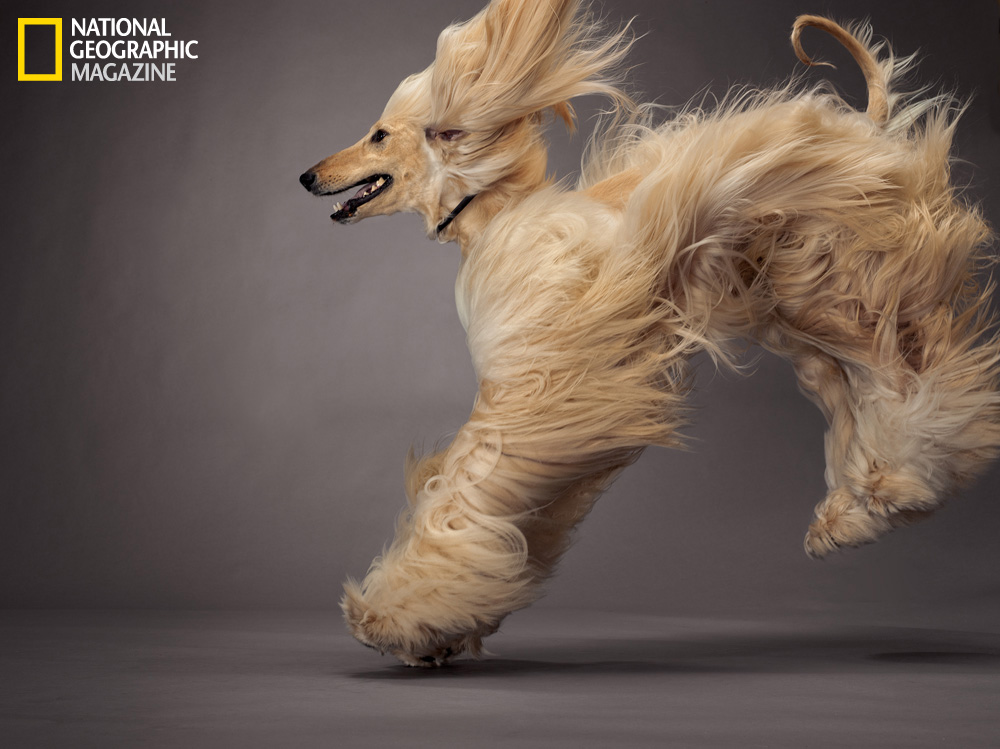
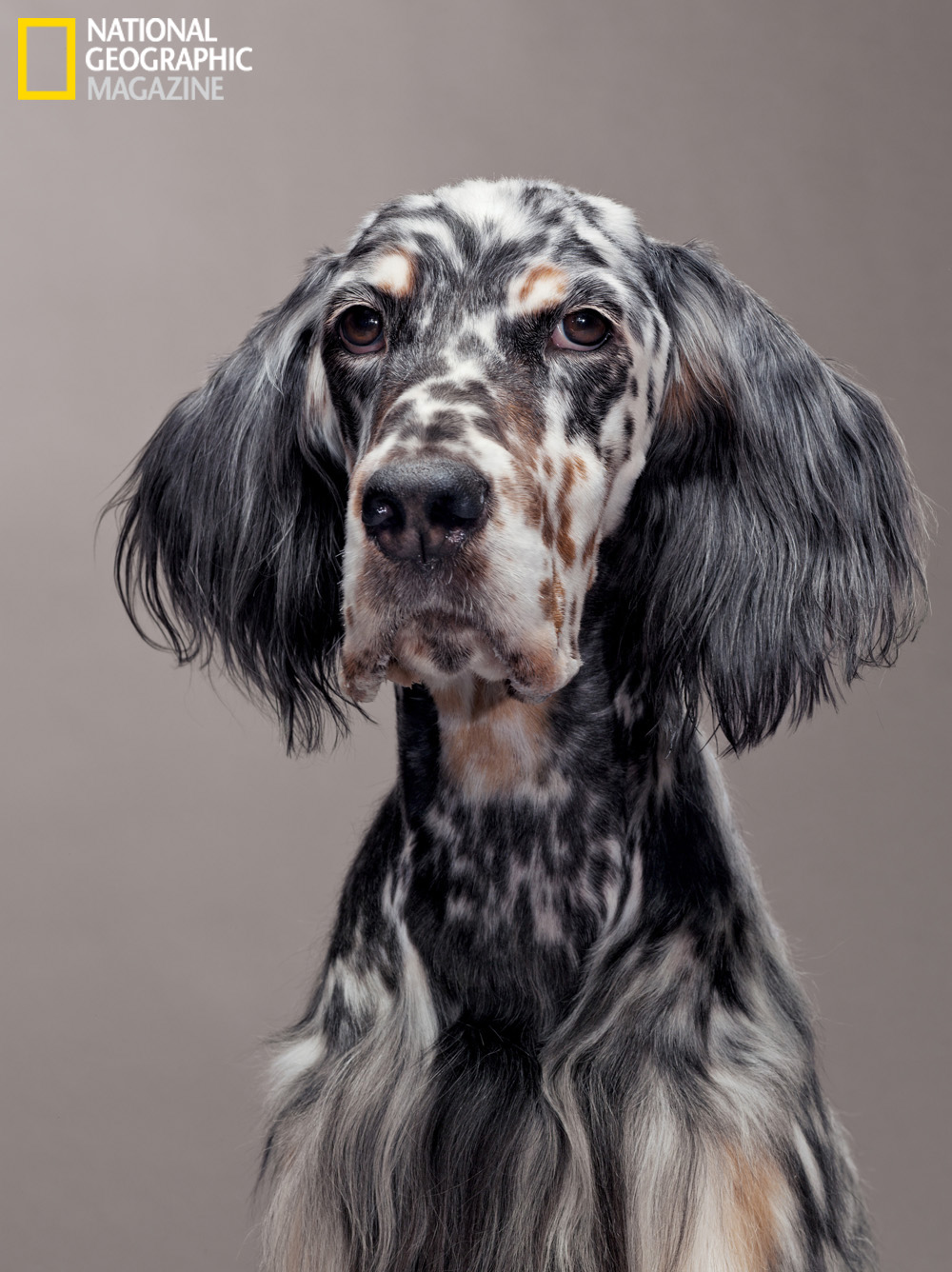
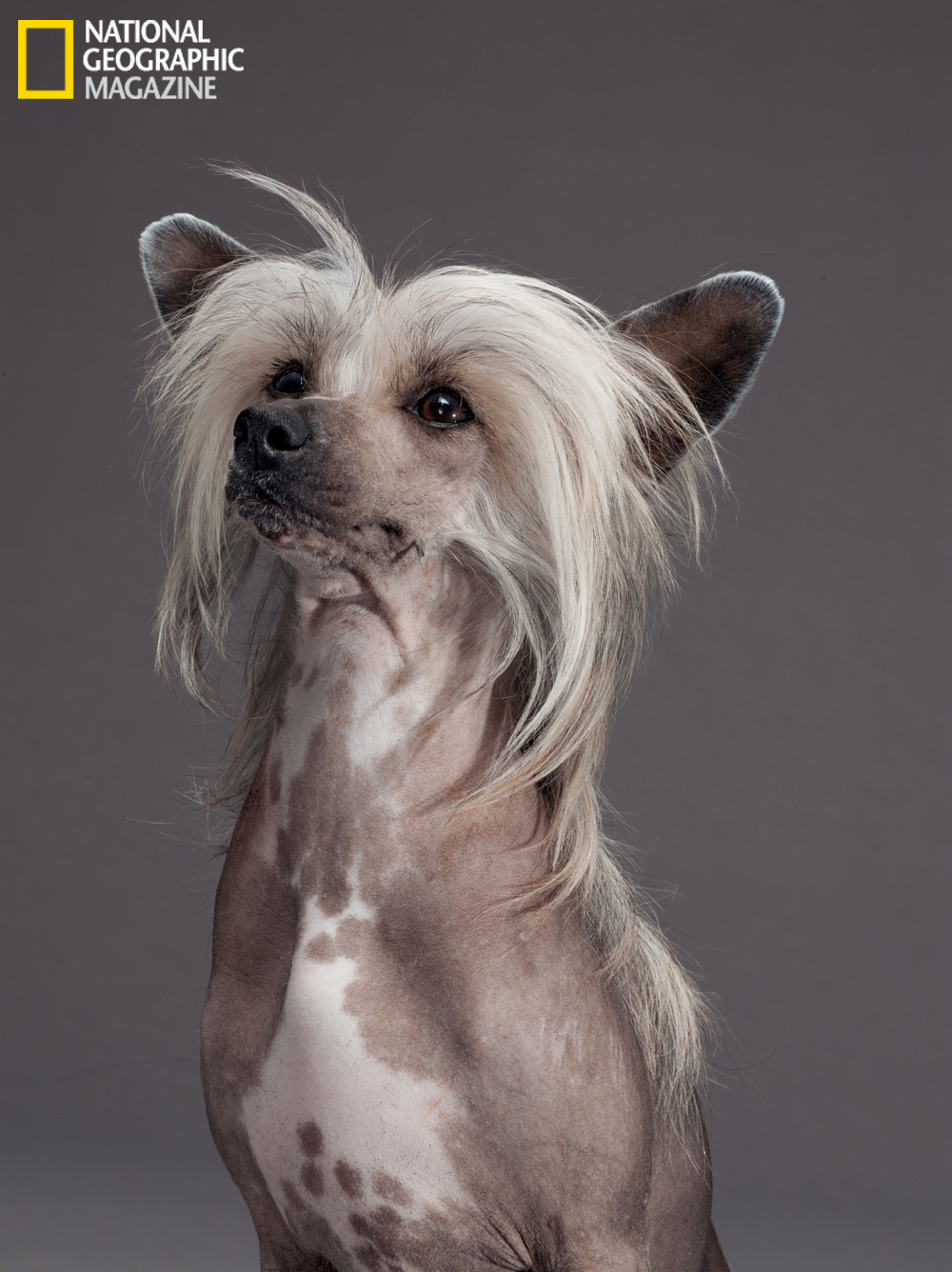
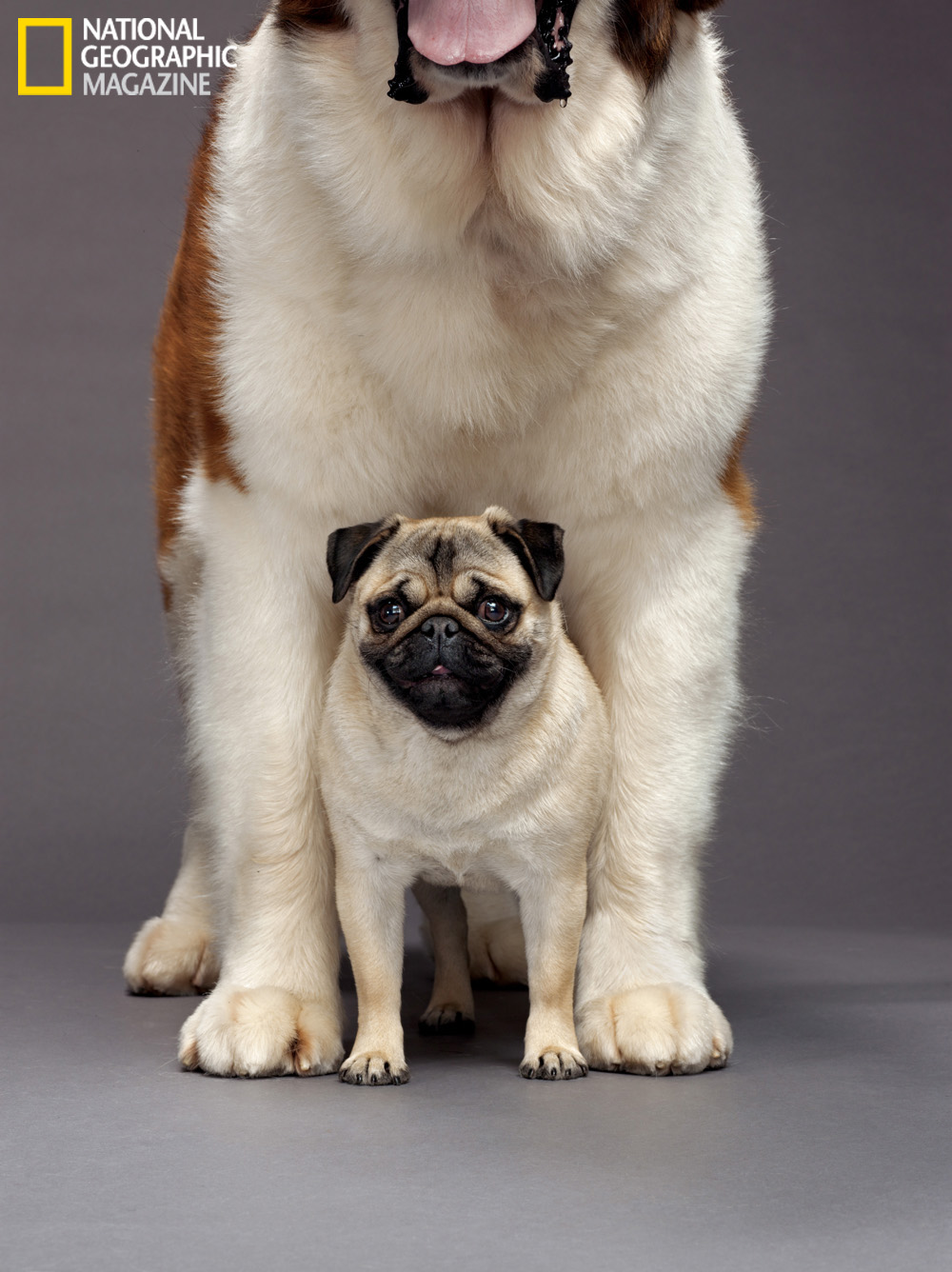
I’d tell you that seeing these pictures is inspring me to go pick up the latest issue of NatGeo, but who am I kidding. I’ve been subscribed for eons. 🙂


Oh how I love Nat Geo!
This quote is amazing though because I never really thought about it: “If humans varied as much in height, the smallest would be two feet tall and the tallest would measure some 31 feet.” Can you imagine what humans would look like if we were more like dogs (as in all the different shapes, sizes, colors, markings and hair)? For humans we’re all pretty much alike when you get down to it.
I know, right? I loved that quote.
While I have reservations about selected characteristics bred into some breeds to make them “show-worthy”, I still want to give every pictured dog an ear scritch. However, I would respectfully ask permission first from the very dignified English Setter, so as not to offend his dignity. If he declined an enthusiastic ear scritch, I would accept his decision with grace and walk away. And probably have a little weep in the corner!
Do you throw away your National Geographics when you have read them? We subscribed when I was a kid, but it never seemed right to toss the old copies in the bin.
These are fantastic photos. Thanks.
My husband does when I’m not looking. My Dad used to keep all of them in those leather folios (you know what I’m talking about?) I would keep them all if I could. Now I also have a Zinio subscription on my ipad.
gorgeous photos. I love the Puli and of course the Great Pyr is magnificent. There are two St. Bernards belonging to the owner of the nature’s pet store near the doggie daycare the pup attends, and they are beautiful animals. I like big mutts. 🙂
You like big mutts and you cannot lie. (Can’t help myself. LOL! )
perzactly! 🙂
I love National Geographic and always have! I don’t subscribe though, because I would spend all my time looking at the pictures. Well, that and I am working full-time, occasional part-time and school half time. Thanks for sharing some with me, so I can take 5 minutes out of my schedule and dream about getting another dog 🙂
It is time consuming, but I love it so.
<3 <3 <3
😀
What I love about dogs, more than their looks, is to watch them work doing what they were bred to do. That afghan chasing something, that setter in the field… Gawd, I love watching the dogs work! Which is why I have a herding breed and want to own a retriever before I die! LOL!
Retrievers are a blast! Of course, I am biased (lab and Golden sitting at my feet!)
My pulik have been the most awesome dogs of all the dogs in all the world. Isn’t she great??? http://www.flickr.com/photos/stinapag/5590343514/
I’ve just gotten to know pulik and they are just the coolest dogs!
Very cool pictures! I love my Bull Terriers, they have an amazing personality and I don’t know how many other Bully owners have experienced this, but my bullies are so charismatic and have creative ways of getting their point across… here’s a picture of my Nina and me: http://jusani.com/saving_pets
Thanks for pointing us to a GREAT article! And you can “keep yammering on” about anything you like, it’s all great!
I need to go pick up that issue of Nat’l Geographic … I’ve always loved the magazine, but as it was, after 5 years I had more of them than I had space for. Still, those pictures are *amazing* … and the Afgan Hound reminds me of “things you don’t see every day” … we had an Afgan puppy in our office the other day!
Chinese crested pups freak me out. And the Dandie Dinmont terrier looks like Mrs. Roper. 🙂
oops